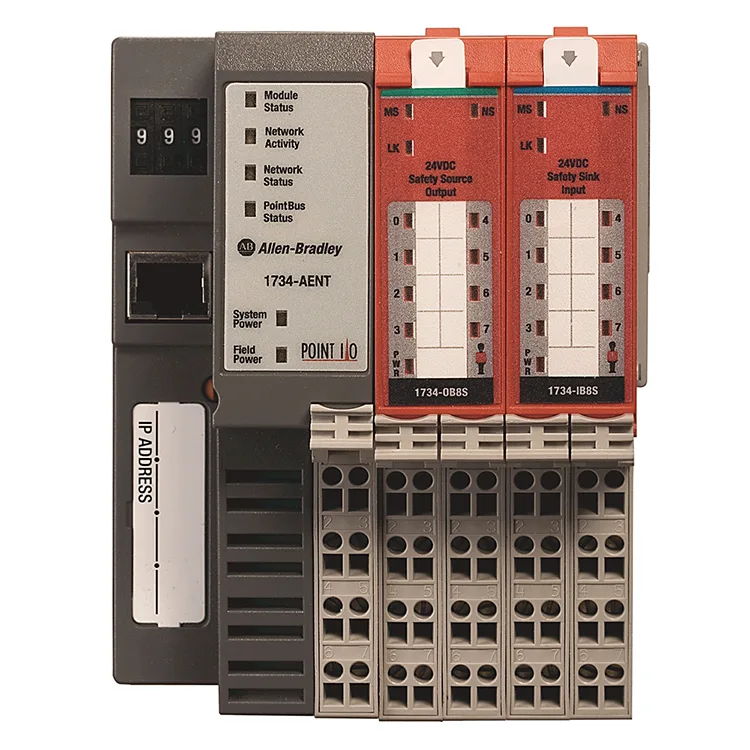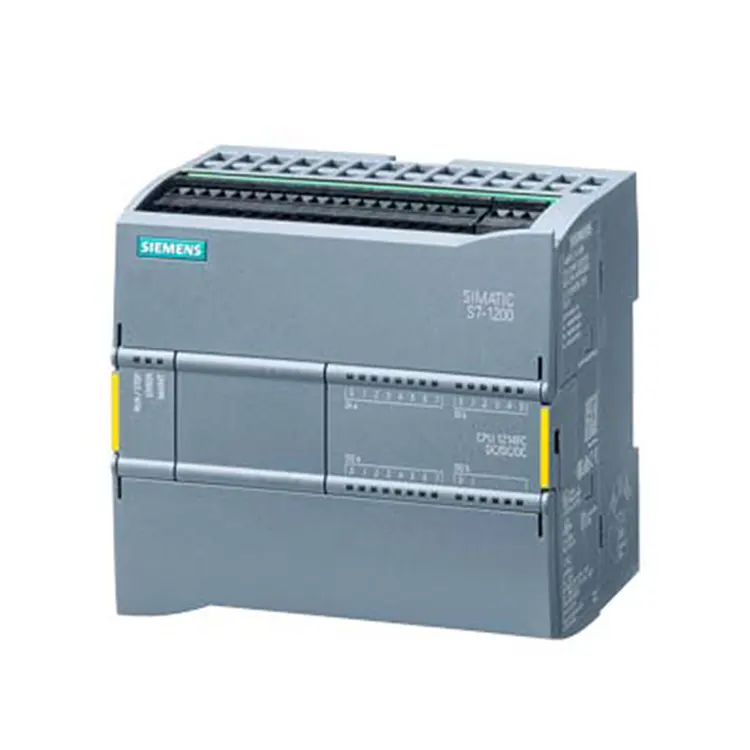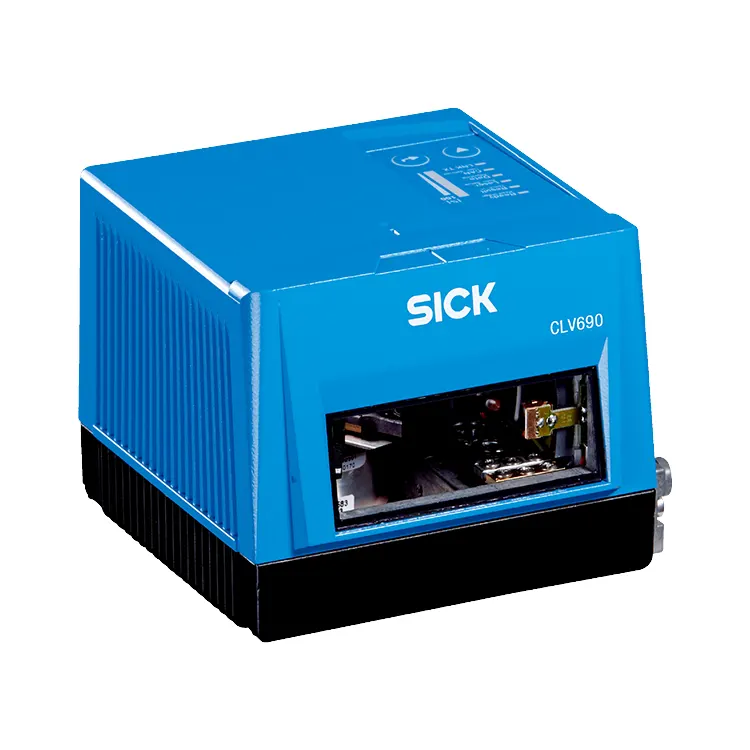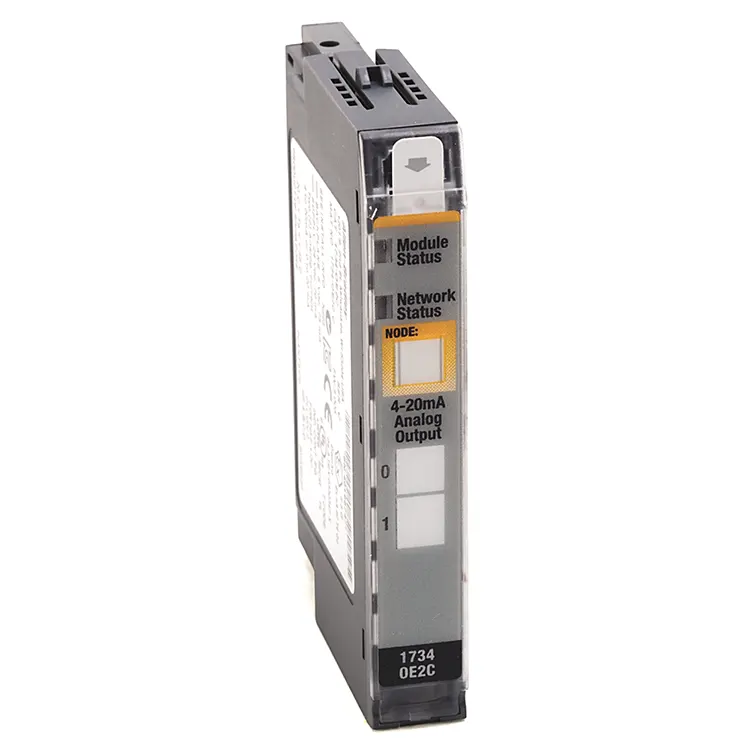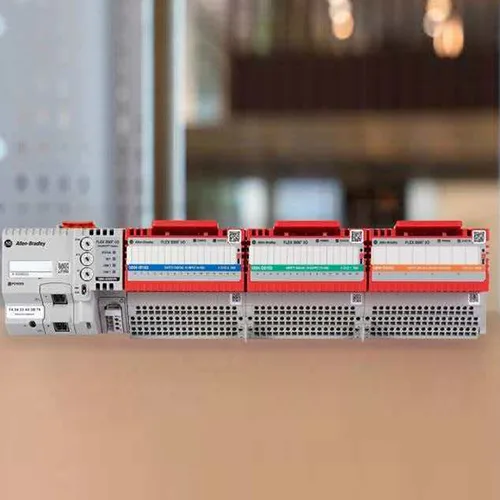

Allen-Bradley PLC systems are widely used in industrial automation because they provide reliable machine control, flexible programming, strong communication capabilities, and scalable architecture. This guide explains how Allen-Bradley PLCs work, where they are used, how to select the right platform, what common integration problems look like, and how to build a more dependable control system for modern manufacturing environments.
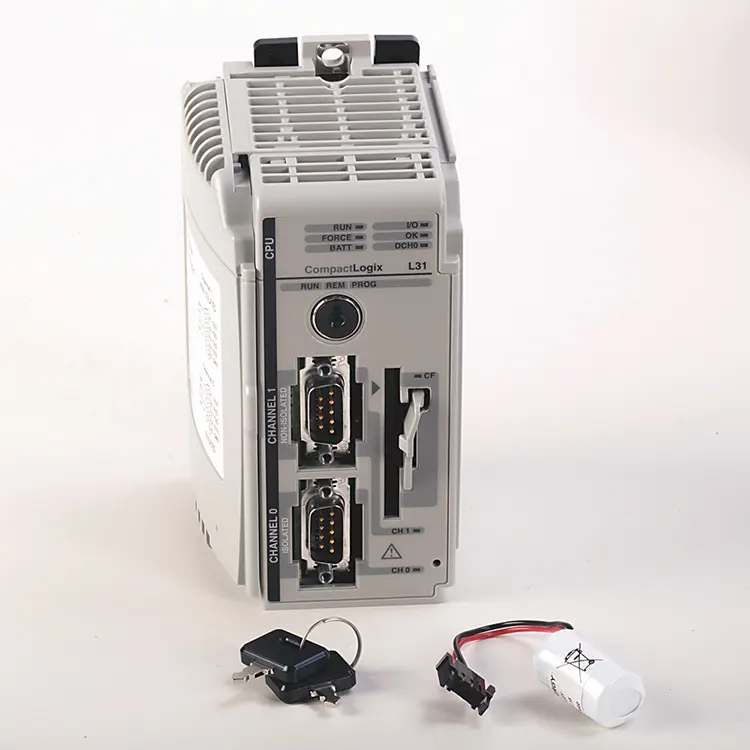
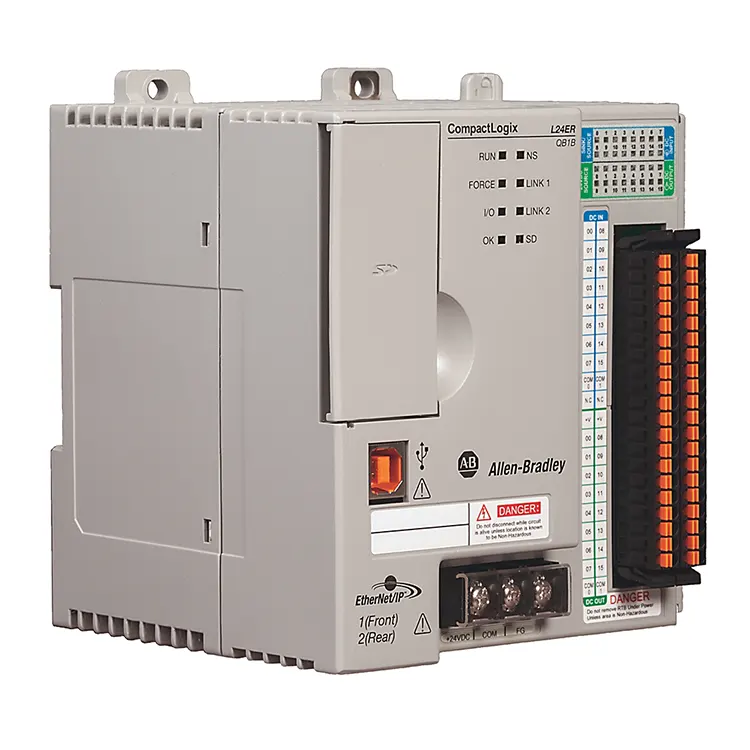
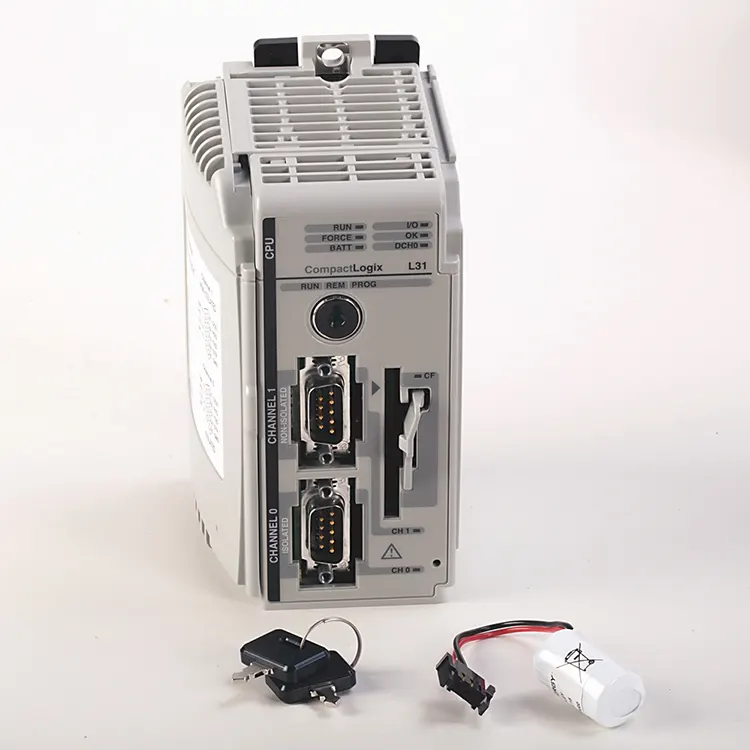
An Allen-Bradley PLC is a programmable logic controller used to monitor inputs, execute a control program, and operate outputs in industrial equipment and automated processes. Allen-Bradley is a well-known automation brand associated with Rockwell Automation, and its PLC portfolio covers applications ranging from compact standalone machines to large-scale manufacturing systems.
A PLC replaces or reduces the need for complicated hard-wired relay control. Instead of changing large quantities of wiring when a machine sequence needs to be modified, engineers can change the control logic in software. This makes PLC-based automation easier to adapt as production requirements change.
A typical PLC receives signals from devices such as sensors, push buttons, encoders, pressure switches, temperature instruments, and safety-related equipment. The controller processes these signals according to its programmed logic and then sends commands to outputs such as motors, valves, contactors, actuators, and indicator devices.
Industrial environments demand equipment that can operate consistently under demanding conditions. Production interruptions can lead to lost output, missed delivery schedules, material waste, and expensive troubleshooting. For this reason, controller selection should consider more than the initial purchase price.
Allen-Bradley PLC platforms are often selected for projects where compatibility with existing automation infrastructure, programming tools, industrial networking, scalability, and long-term support are important.
Although system designs vary, the basic PLC operating cycle is straightforward. The controller reads input information, executes the programmed logic, and updates outputs. This process repeats continuously while the controller is operating.
Inputs
Field sensors and switches provide machine status information.
Logic
The processor evaluates the programmed instructions.
Outputs
The controller commands actuators, motors, valves, or other devices.
Communication
Data can be exchanged with HMIs, drives, networks, and supervisory systems.
This architecture allows engineers to create automated sequences that respond to real-time conditions. For example, a conveyor system can detect a product, confirm its position, activate a motor, communicate status to an HMI, and stop the line if an abnormal condition is detected.
One common purchasing mistake is choosing a controller solely because it has a familiar brand name. Allen-Bradley offers multiple controller families, and the correct choice depends on I/O requirements, processing demands, motion requirements, networking, physical installation, and future expansion.
| PLC Family / Platform | Typical Role | Key Consideration |
|---|---|---|
| Micro800 | Compact machines and smaller automation systems | Compact size, cost, I/O and communication requirements |
| CompactLogix | Machine-level and mid-range automation | Performance, modular expansion and network architecture |
| ControlLogix | Large and complex control systems | High system capacity, redundancy and advanced integration |
| Legacy Platforms | Existing installed machinery | Spare parts, software compatibility and migration planning |
The exact controller should always be selected from the current technical requirements and the specific project environment rather than from a generic product ranking.
Choosing the correct PLC begins with the machine, not the catalog. A well-defined requirement list can prevent overspending, under-sizing, and difficult upgrades later.
Allen-Bradley PLC systems can be used across many manufacturing and process environments. Their role depends on the equipment architecture and control requirements.
Installing the controller is only one part of an automation project. Many commissioning problems occur at the boundaries between the PLC and other equipment.
Common issues include incorrect I/O addressing, mismatched communication settings, incompatible device configurations, incorrect data types, insufficient network planning, and poorly documented wiring. A machine may have a perfectly functional PLC but still experience unreliable operation because the surrounding system was not engineered consistently.
A practical integration process should include an I/O list, electrical drawings, network architecture, device addressing plan, software backups, testing procedures, and clear commissioning documentation.
Even a well-designed PLC system requires proper maintenance. When a production line stops, the fastest solution is not always replacing the PLC. Engineers should first identify whether the problem originates from power, field wiring, I/O devices, communication, programming, or the controller itself.
A useful troubleshooting sequence is:
Preventive maintenance should also include cabinet inspection, environmental checks, backup verification, documentation updates, and spare-parts planning. For critical production equipment, having a clear recovery procedure can significantly reduce downtime.
| Project Requirement | Recommended Direction | Main Question |
|---|---|---|
| Small standalone machine | Compact controller platform | How many I/O points and communication devices are required? |
| Growing machine system | Modular mid-range architecture | What expansion will be needed later? |
| Large production system | High-capacity controller architecture | What are the performance, redundancy, and integration requirements? |
| Existing legacy machine | Migration or replacement strategy | What can be retained and what must be replaced? |
Modern industrial automation increasingly connects machine-level control with production data, visualization, remote diagnostics, and higher-level manufacturing systems. This does not eliminate the role of PLCs. Instead, the PLC increasingly becomes one important component within a connected automation architecture.
Future-ready projects should therefore consider not only today's machine sequence but also how operational data will be collected, how equipment will communicate, how software will be maintained, and how additional automation assets can be integrated.
Cybersecurity, network segmentation, access management, reliable backups, and controlled software changes are also becoming increasingly important as industrial control systems become more connected.
What is an Allen-Bradley PLC used for?
It is used to control automated machinery and industrial processes by receiving field inputs, executing programmed logic, and controlling outputs such as motors, valves, actuators, and other equipment.
Is Allen-Bradley suitable for small machines?
Yes. The Allen-Bradley portfolio includes compact controller platforms designed for smaller automation applications as well as larger platforms for more complex systems.
How should I choose an Allen-Bradley PLC?
Start with I/O count, processing requirements, communication needs, machine size, environmental conditions, software requirements, expansion plans, and compatibility with existing equipment.
Can an Allen-Bradley PLC communicate with an HMI?
Yes. PLC-based automation systems can communicate with operator interfaces through appropriate industrial communication architectures and compatible configurations.
What is the biggest mistake when replacing an old PLC?
Replacing the controller without fully documenting the existing I/O, program behavior, network connections, machine sequence, and peripheral equipment can create unexpected commissioning problems.
How can PLC downtime be reduced?
Reliable documentation, verified software backups, preventive maintenance, spare-parts planning, proper diagnostics, and trained maintenance personnel can all improve recovery time when a fault occurs.
Does the most powerful PLC always provide the best solution?
No. The best controller is the one that matches the actual application. Oversizing can increase unnecessary costs, while undersizing can limit performance and future expansion.
Allen-Bradley PLC technology can provide a strong foundation for machine control and industrial automation when the controller, I/O, communication architecture, software, and surrounding equipment are correctly matched to the application.
The most effective approach is to begin with the customer's production requirements rather than selecting a PLC by model name alone. Understanding the number of I/O points, required processing performance, network architecture, environmental conditions, maintenance expectations, and future expansion plans helps create a control system that is both practical and dependable.
For companies sourcing automation components, PLC hardware, industrial control equipment, or related solutions, Floating Light Automation Trade Co.,Ltd. can assist with product selection and application-oriented sourcing based on your project requirements.
Need the right Allen-Bradley PLC solution for your project?
Contact us with your PLC model, I/O requirements, application details, or replacement needs. Floating Light Automation Trade Co.,Ltd. can help you evaluate suitable automation components and develop a practical sourcing solution for your industrial project.