
Industrial automation depends on reliable control, accurate data processing, stable communication, and fast responses to changing production conditions. An Omron PLC can serve as the central control unit that connects sensors, actuators, machines, operators, and higher-level automation systems into a coordinated production environment. For manufacturers, system integrators, machine builders, and maintenance teams, understanding how an Omron PLC works and how to select the right configuration can make a significant difference in productivity and long-term operating costs.
This guide explains the practical role of Omron PLC systems, their major components, application benefits, selection considerations, troubleshooting methods, and integration possibilities. It also highlights common purchasing and engineering problems so users can build automation systems that are easier to operate, maintain, and expand.
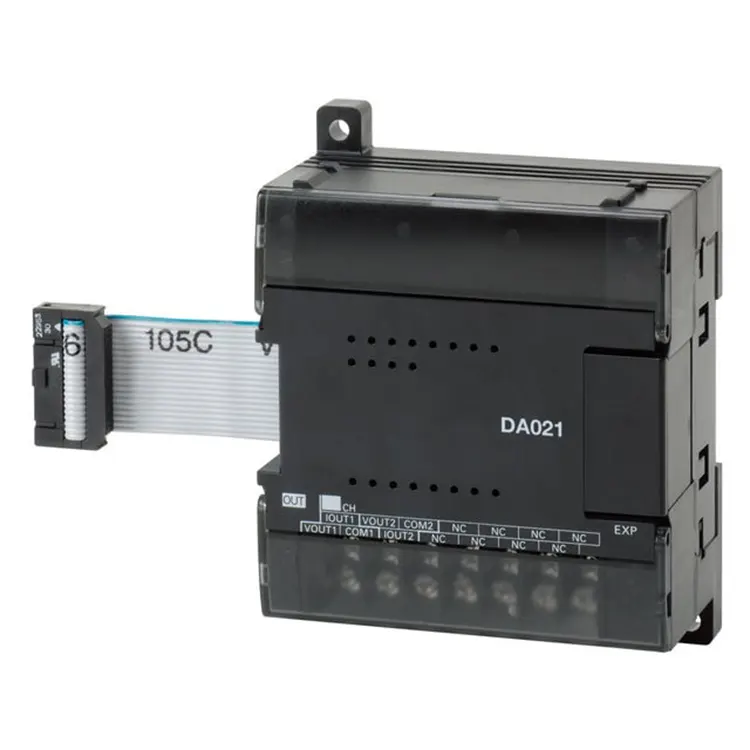
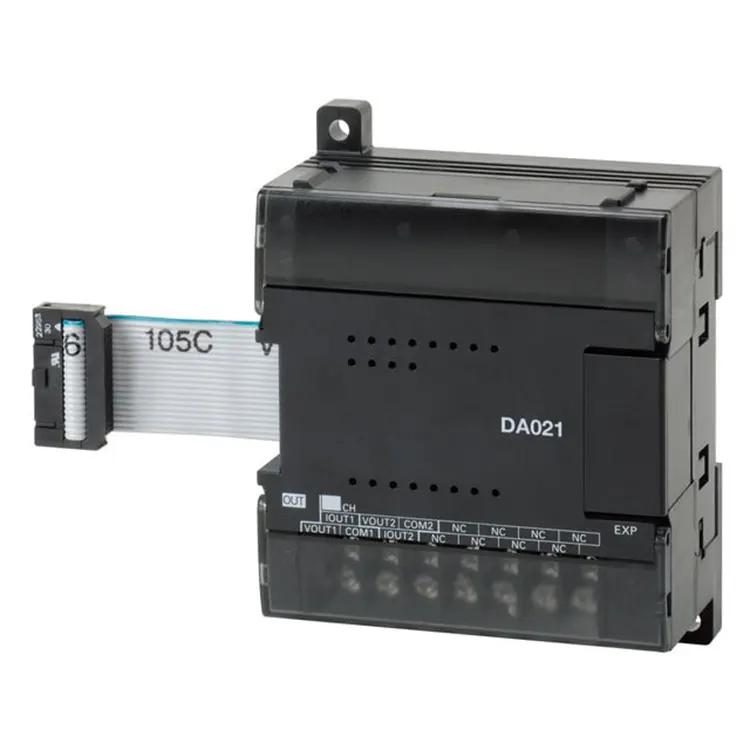
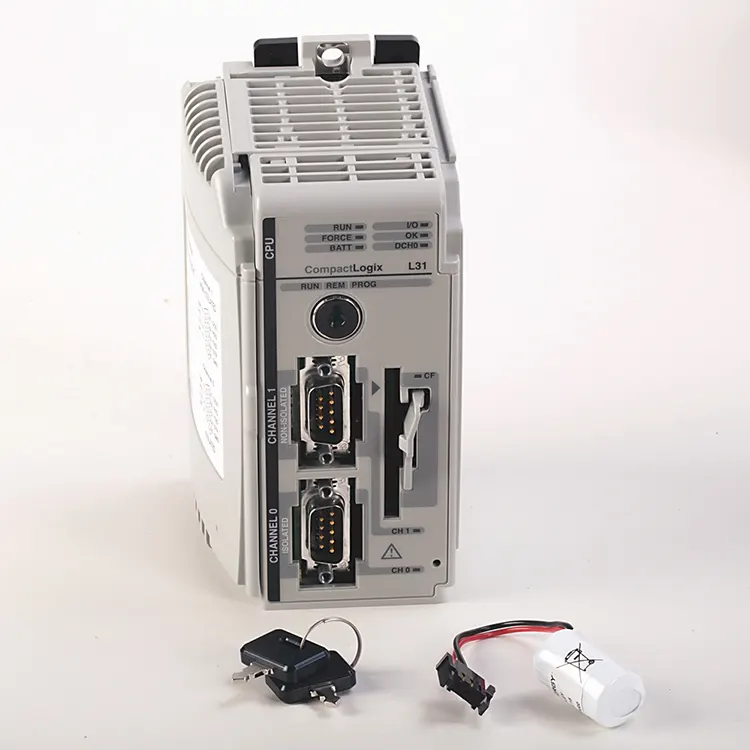
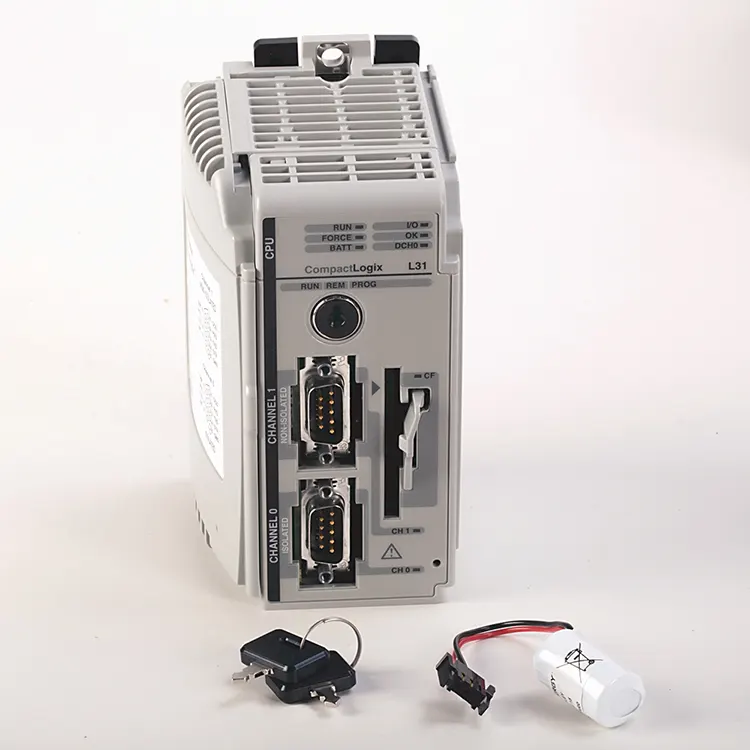
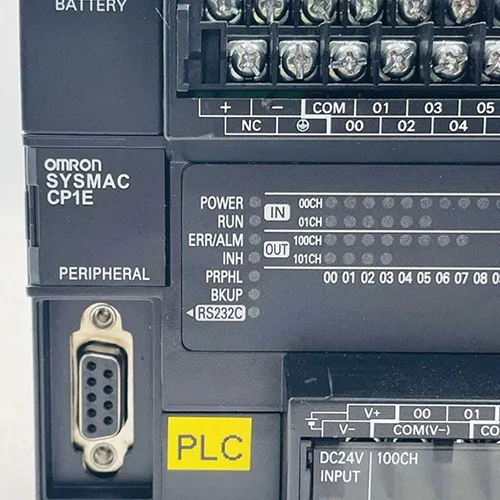
An Omron PLC is a programmable logic controller designed to manage industrial processes through programmable control logic. Depending on the application, an Omron PLC system can handle digital and analog signals, motion control, machine sequencing, communication, data collection, and coordination with other automation equipment.
The right PLC configuration should match the machine's I/O requirements, processing demands, communication protocols, motion requirements, environmental conditions, expansion plans, and maintenance capabilities. Choosing based only on the initial purchase price can create problems later, including insufficient I/O capacity, communication limitations, difficult troubleshooting, or expensive upgrades.
A programmable logic controller is an industrial computer developed specifically for controlling machines and processes. Unlike a general-purpose computer, a PLC is designed for continuous operation in industrial environments and can process signals from sensors, execute programmed logic, and control output devices in a predictable sequence.
Omron PLC solutions are widely associated with factory automation, machine control, production equipment, material handling, packaging systems, and other industrial applications. Depending on the product family and configuration, the controller can support functions ranging from straightforward sequential control to more sophisticated motion, networking, and data-management requirements.
One important advantage of a PLC-based system is programmability. When production requirements change, engineers can modify control logic rather than completely replacing the control hardware. This flexibility is particularly valuable for manufacturers that need to support multiple product models or frequently update machine sequences.
A PLC should not be viewed simply as a replacement for relays. It is the control center of a larger automation architecture that may include sensors, drives, motors, HMIs, robots, safety devices, industrial networks, and production-management systems.
The basic operation of a PLC follows a continuous control cycle. The controller receives information from field devices, processes the programmed logic, and updates its outputs. This cycle repeats rapidly while the machine is operating.
For example, in an automated packaging machine, sensors may detect product position while the PLC coordinates conveyor movement, filling, sealing, cutting, labeling, and fault responses. The exact sequence depends on the machine design and PLC program.
A PLC installation normally consists of more than the CPU alone. Selecting compatible components is essential for stable operation.
| Component | Primary Function | Selection Concern |
|---|---|---|
| CPU | Executes control programs and manages system operations. | Processing capacity, memory, control functions, and scalability. |
| Digital I/O | Handles ON/OFF signals. | Input/output count, voltage, wiring, and device compatibility. |
| Analog I/O | Processes continuously variable signals. | Signal type, resolution, range, and accuracy requirements. |
| Power Supply | Provides suitable electrical power to the control system. | Voltage, load capacity, installation conditions, and protection. |
| Communication Modules | Connect the PLC with other industrial devices and networks. | Required protocol, network architecture, speed, and compatibility. |
Manufacturers generally choose PLC-based control because it provides a combination of flexibility, repeatability, diagnostic capability, and integration potential.
The actual benefits depend heavily on engineering quality. Even a high-quality PLC can perform poorly if the system has incorrect wiring, insufficient power protection, poorly structured software, inadequate network design, or unsuitable field devices.
Omron PLC systems can be applied to many types of industrial machinery. Typical applications include:
Controls conveyors, filling, sealing, labeling, counting, and product positioning.
Coordinates conveyors, sorting mechanisms, sensors, and transfer systems.
Manages machine sequences, interlocks, inspection steps, and production processes.
Supports suitable machine architectures requiring coordinated movement and positioning.
Other possible applications include assembly equipment, inspection machines, food-processing equipment, printing machinery, textile equipment, water-treatment systems, and customized production lines.
One of the most common automation purchasing mistakes is choosing a PLC based solely on CPU price. A better approach is to begin with the complete machine requirements.
| Requirement | Questions to Ask |
|---|---|
| I/O | How many inputs and outputs are required now and later? |
| Communication | Which network protocols and devices must communicate with the PLC? |
| Performance | Does the application require high-speed processing or motion control? |
| Maintenance | Can technicians diagnose and replace components efficiently? |
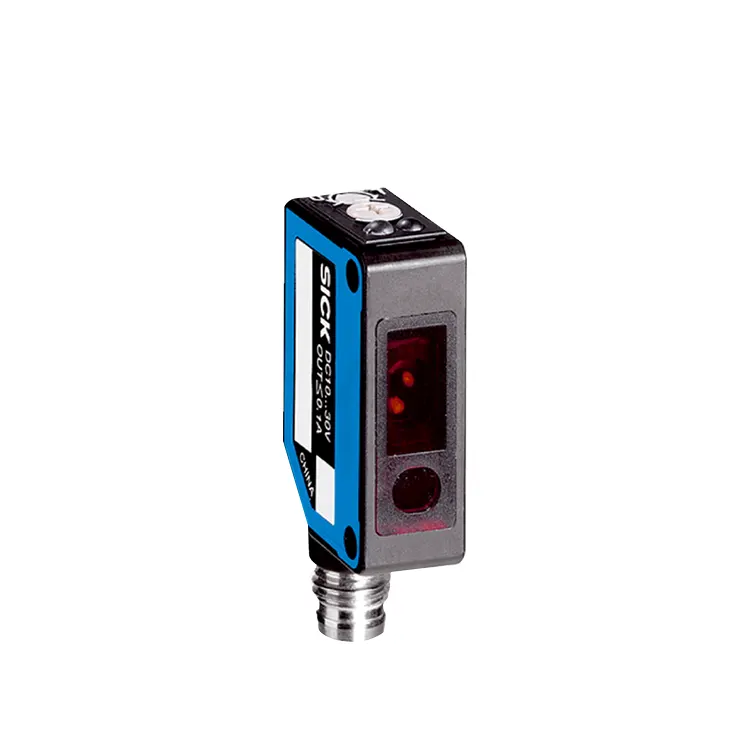
Modern factories rarely operate with isolated machines. A PLC often needs to exchange information with other controllers, HMIs, drives, sensors, robots, barcode readers, remote I/O stations, and supervisory systems.
Communication design should therefore be considered during the initial engineering stage rather than added after the machine is completed. Network architecture, cable selection, addressing, protocol compatibility, data structure, and diagnostic access can all influence system reliability.
For example, a production line may use an HMI for operator commands and status visualization, while the PLC manages the machine sequence and communicates with drives or motion equipment. Production data can potentially be transferred to higher-level systems depending on the available architecture.
Document communication parameters, device addresses, cable routes, and network settings before commissioning. Good documentation can significantly reduce troubleshooting time when equipment is serviced months or years later.
PLC failures are not always caused by the controller itself. Many apparent PLC problems originate from power supplies, field wiring, sensors, communication networks, or connected equipment.
| Problem | Possible Cause | Recommended Check |
|---|---|---|
| PLC does not start | Power supply or wiring issue | Check incoming power, fuses, terminals, and power indicators. |
| Input signal missing | Sensor, cable, or input-channel problem | Inspect sensor operation, wiring, voltage, and PLC input status. |
| Output does not activate | Logic condition, output device, or wiring problem | Review program status and inspect output wiring and load. |
| Communication failure | Network settings, cabling, or protocol mismatch | Check addresses, network parameters, cables, and device status. |
Troubleshooting should follow a logical sequence. Start with the safest and simplest checks, such as power and physical connections, before making software changes. Avoid changing multiple variables at the same time because doing so can make the original fault more difficult to identify.
Preventive maintenance can help industrial teams identify developing problems before they become production-stopping failures. A maintenance program should consider both hardware and software.
Software backups are especially important. A backup of the current PLC program, HMI project, parameter files, network configuration, and relevant machine documentation can significantly shorten recovery time after a hardware replacement or unexpected failure.
Different industrial machines require different levels of control capability. Instead of selecting equipment according to brand recognition alone, engineers should match the PLC configuration to the application's actual requirements.
| Application Level | Typical Requirement | Key Planning Point |
|---|---|---|
| Basic machine | Simple sequential control and limited I/O | Keep the architecture simple and serviceable. |
| Production machine | More I/O, HMI, drives, and communication | Plan networking and expansion carefully. |
| Complex automation line | Multiple machines, motion, data, and coordinated control | Develop a complete control architecture before hardware selection. |
This approach helps prevent two costly situations: purchasing a controller that is too small for the application or paying for unnecessary capabilities that provide little practical value.
Purchasing industrial automation components is not only a matter of finding a product number. Customers often need help confirming specifications, compatibility, availability, application requirements, and replacement options.
Floating Light Automation Trade Co.,Ltd. provides industrial automation product sourcing and related support for customers who need reliable automation components. For PLC projects, a professional supplier can help customers organize product requirements, verify technical specifications, and reduce the risk of purchasing incompatible components.
When evaluating a supplier, consider more than unit price. Important factors include:
An Omron PLC is used to control industrial machines and automated processes. It can receive signals from field devices, execute programmed logic, and control outputs such as motors, valves, actuators, indicators, and other equipment.
Yes. Depending on the PLC model and system architecture, a controller can manage multiple inputs, outputs, drives, HMIs, communication devices, and other equipment. The exact capacity depends on the selected hardware and configuration.
Start by identifying I/O requirements, processing needs, communication protocols, motion requirements, expansion plans, environmental conditions, and maintenance requirements. The PLC should be selected as part of the complete automation system rather than as an isolated component.
Communication allows the PLC to exchange information with HMIs, drives, robots, remote I/O, sensors, other controllers, and higher-level systems. Proper communication design improves coordination and can provide better visibility into machine operation.
Possible causes include power problems, damaged wiring, faulty sensors, output-load issues, communication failures, configuration problems, environmental conditions, or controller-related faults. Systematic troubleshooting is necessary to identify the actual cause.
Yes. Regular inspection of electrical connections, cabinet conditions, cooling, backups, software documentation, and connected devices can help improve system reliability and reduce unexpected downtime.
Many PLC architectures allow expansion or modification, but the available options depend on the specific controller family and system design. Planning spare I/O and future communication requirements at the beginning can make later upgrades easier.
An Omron PLC can provide a reliable foundation for industrial machine control when the controller, I/O, communication architecture, software, field devices, and electrical infrastructure are properly matched to the application. Its value goes beyond basic machine sequencing: a well-designed PLC system can improve process consistency, simplify diagnostics, support equipment integration, and provide a practical foundation for future automation improvements.
The most effective approach is to define the machine requirements first and then select the PLC architecture around those requirements. Careful planning of I/O, processing capacity, communication, expansion, environmental conditions, and maintenance can help manufacturers avoid unnecessary costs and operational interruptions.
Whether you are building a new automated machine, upgrading an existing control system, or sourcing replacement automation components, Floating Light Automation Trade Co.,Ltd. can help you evaluate your requirements and identify suitable industrial automation solutions. Share your required model, specifications, quantity, or application details with our team to receive professional assistance.
Contact us today to discuss your Omron PLC requirements and build a more reliable automation solution for your application.