
Floating Light provides industrial automation components for manufacturers seeking dependable sensing and control solutions. The IFM LK3122 electronic level sensor offers capacitive liquid level detection, configurable switching functions, analog outputs, and IO-Link communication, making it a practical option for monitoring compatible liquids in industrial equipment.
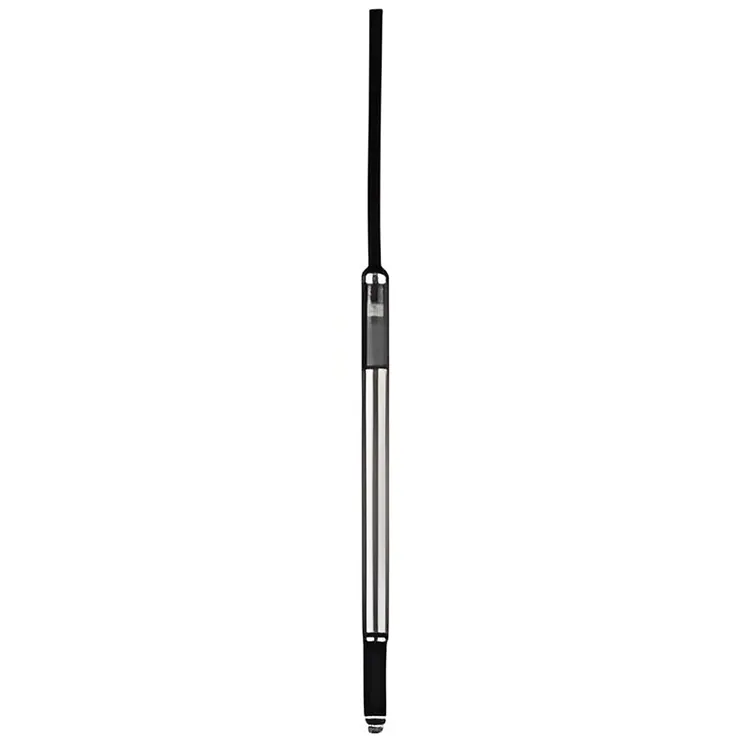
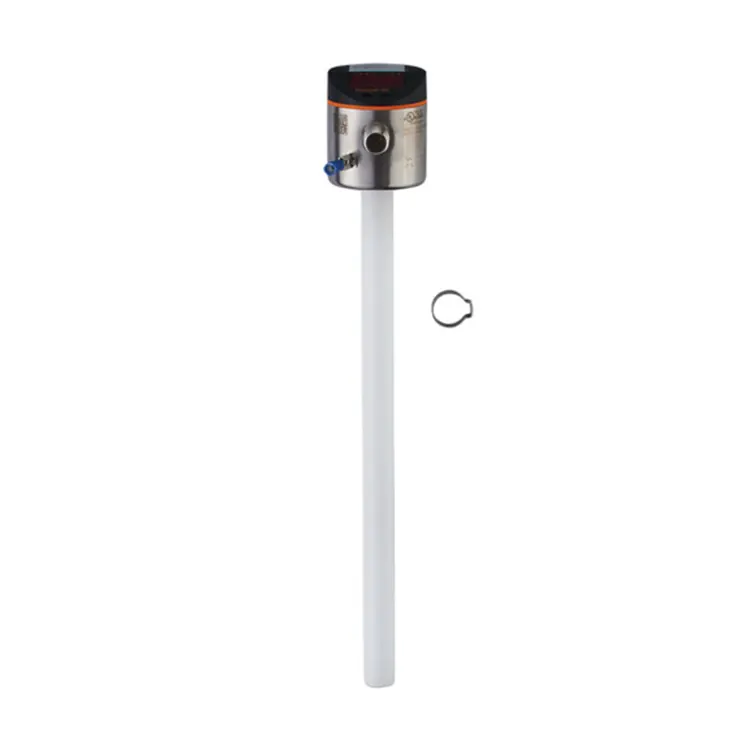
The IFM LK3122 is an electronic level sensor designed for applications involving water, water-based coolants, oils, and similar liquids. Its 264 mm probe incorporates a 195 mm active sensing range, while its configurable switching output and analog output support different monitoring and control requirements. With 18–30 V DC operating voltage and IO-Link communication, the sensor can be integrated into suitable automation architectures. This guide explains its working principle, important technical specifications, application considerations, installation requirements, and selection criteria to help engineers and purchasing teams determine whether it matches their equipment.
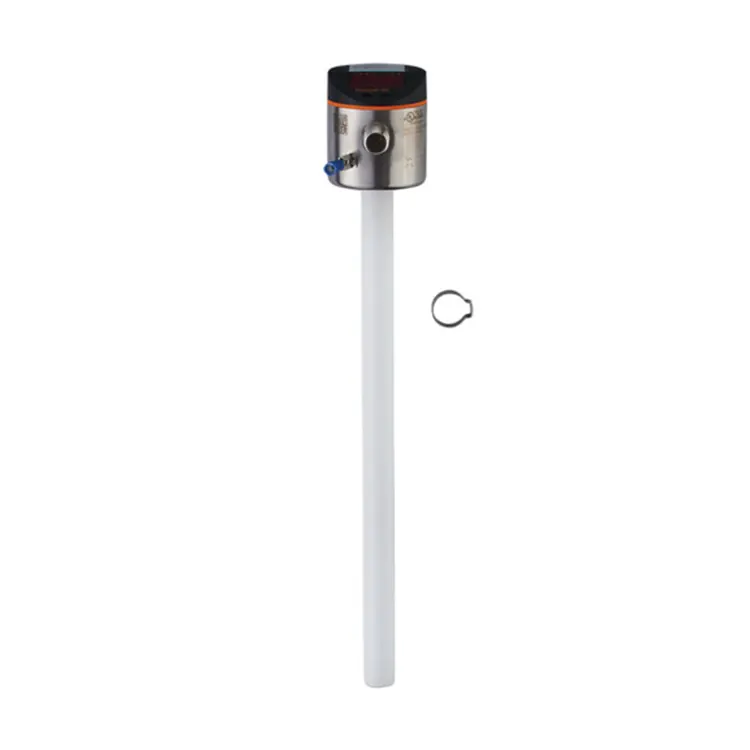
Table of Contents
- What Is the IFM LK3122?
- How Does the Sensor Work?
- Key Technical Specifications
- Main Features and Benefits
- Typical Industrial Applications
- Installation and Configuration Considerations
- How to Select the Right Level Sensor
- Maintenance and Troubleshooting
- Frequently Asked Questions
- Conclusion
What Is the IFM LK3122?
The IFM LK3122 is an electronic level sensor manufactured by ifm electronic. Unlike a conventional float switch that primarily detects a mechanical position, this model uses a capacitive measuring principle to detect changes in the level of compatible liquids along its sensing probe.
The sensor is intended for applications involving water, water-based cooling lubricants, oils, oil-based media, and liquids with similar characteristics. Its electronic outputs allow the measured level to be incorporated into industrial monitoring and control processes.
For maintenance engineers, equipment integrators, and automation system designers, the main consideration is not simply the model number. It is whether the sensor's active range, fluid compatibility, temperature limits, output configuration, and installation conditions match the actual application.
Buyers can review the IFM LK3122 product information from Floating Light and compare the listed details with the manufacturer's documentation before placing an order.
How Does the Sensor Work?
Capacitive level measurement relies on changes in electrical capacitance associated with the presence of a medium around the sensing element. As the liquid level changes along the probe, the sensor evaluates the corresponding electrical response and determines the level-related measurement.
The LK3122 provides configurable outputs for transmitting useful information to a controller or monitoring system. Depending on the installation and parameter settings, these signals can support level monitoring, threshold detection, and automated equipment responses.
Understanding Its Output Options
- Digital switching output: Supports threshold-based actions, such as signaling when the measured level reaches a configured set point.
- Analog output: Provides a configurable current or voltage signal for compatible control equipment.
- IO-Link: Enables supported digital communication, device identification, parameterization, and diagnostic functions through a compatible IO-Link master.
These functions allow system designers to choose an appropriate integration method without assuming that every installation will use all available outputs simultaneously.
Key Technical Specifications
Reviewing the technical data before purchase helps prevent mismatches between the sensor and the target machine. The following table summarizes important specifications published for the IFM LK3122.
| Parameter | Specification | Practical Significance |
|---|---|---|
| Product type | Electronic level sensor | Designed for liquid level detection |
| Measuring principle | Capacitive | Detects level changes through capacitive sensing |
| Probe length | 264 mm | Important for tank depth and mounting design |
| Active sensing range | 195 mm | Defines the active measurement section |
| Inactive zones | 53 mm at the top; 16 mm at the bottom | Must be considered when positioning the probe |
| Operating voltage | 18–30 V DC | Requires a compatible DC power supply |
| Switching output | PNP/NPN; configurable normally open or normally closed | Supports compatible digital control inputs |
| Analog current output | 4–20 mA, configurable direction | Suitable for compatible analog input modules |
| Analog voltage output | 0–10 V, configurable direction | Requires a compatible voltage input |
| IO-Link | Version 1.1 | Supports compatible digital integration |
| Measuring error | ±5% of final value | Should be considered when defining control tolerances |
| Ambient temperature | 0–60°C | Relevant to the sensor's installation environment |
Important: The sensor's permitted medium temperature depends on the liquid and installation accessories. For water and water-based coolants, the published range is 0–35°C, with 35–65°C possible using the specified E43100 climate tube. For oil, the published range is 0–70°C. Consult the official IFM product page and technical documentation for the complete operating conditions and restrictions.
Main Features and Benefits
Several characteristics make the LK3122 worth evaluating for industrial liquid monitoring projects.
1. Multiple Output Possibilities
The combination of a switching output, an analog output, and IO-Link communication gives engineers several integration options. The appropriate configuration depends on the controller, monitoring requirements, and selected parameters.
2. Configurable Switching Functions
Set points and reset points can be configured within the specified adjustment range. This supports applications where a controller must respond to a defined liquid level rather than simply display a measurement.
3. A Defined Active Measurement Zone
The 195 mm active range helps engineers plan probe placement in compact tanks and equipment reservoirs. Correct positioning is essential because the inactive sections do not provide the same measurement function as the active zone.
4. Industrial Integration
Its 18–30 V DC supply and configurable output options make the LK3122 suitable for evaluation in compatible automation systems. Electrical characteristics, load limits, and connection requirements should be checked against the controller documentation before commissioning.
Typical Industrial Applications
The sensor can be considered for compatible liquid monitoring tasks in industrial equipment, provided the medium and operating conditions fall within its published limits.
- Machine-tool coolant reservoirs: Monitor water-based cooling lubricants and provide level-related signals to machine controls.
- Hydraulic equipment: Monitor compatible hydraulic oils in reservoirs where the probe geometry and oil temperature meet the specifications.
- Industrial water systems: Detect liquid level changes in suitable water tanks and equipment enclosures.
- Lubrication systems: Support level monitoring for compatible lubricants in machinery.
- Automated equipment: Provide switching or analog signals for integration into a suitable PLC-based monitoring arrangement.
These are potential application categories rather than guarantees of suitability. The LK3122 is not intended for every liquid or industrial process. The manufacturer lists restrictions for strongly conductive or adhesive media, granular materials, acids, alkalis, food processing, and electroplating applications. Confirm the exact medium and process conditions before selection.
Installation and Configuration Considerations
Correct installation has a direct impact on measurement reliability and the effectiveness of the control strategy.
- Check the tank geometry. Verify that the probe length and mounting arrangement suit the available installation depth.
- Position the active zone correctly. Account for the 53 mm upper inactive zone and 16 mm lower inactive zone when determining the required measurement points.
- Confirm medium compatibility. Check the liquid's properties, dielectric characteristics, and temperature against the manufacturer's limits.
- Verify electrical connections. Match the supply voltage, switching logic, analog signal type, and load requirements to the controller.
- Configure measurement parameters. Set the required switching and reset points, output behavior, and other parameters according to the operating instructions.
- Test under real operating conditions. Confirm the output response at representative liquid levels before putting the machine into routine operation.
For digital communication, also verify the IO-Link master, device configuration, and compatible device description file where required.
How to Select the Right Level Sensor
When comparing the IFM LK3122 with other electronic level sensors, consider the complete application rather than selecting a model solely by price or nominal probe length.
| Selection Factor | Questions to Ask |
|---|---|
| Liquid compatibility | Is the medium approved for use with this capacitive sensor? |
| Measurement range | Does the 195 mm active range cover the required level variation? |
| Temperature | Are both ambient and liquid temperatures within the permitted limits? |
| Control interface | Does the PLC accept the selected switching, current, voltage, or IO-Link signal? |
| Installation | Can the probe be mounted with the required inactive zones accounted for? |
| Procurement | Can the supplier confirm the exact model, condition, availability, and documentation? |
Engineers should also evaluate whether continuous level measurement, threshold detection, or a different sensing principle is most appropriate. A sensor that works well in one reservoir may not be suitable for another medium or process configuration.
Maintenance and Troubleshooting
Routine checks can help identify installation or configuration problems before they disrupt production.
- Inspect the probe and mounting arrangement for contamination or physical damage.
- Verify the supply voltage and electrical connections if the sensor does not respond as expected.
- Check switching and reset points when alarm behavior differs from the intended control sequence.
- Compare analog readings with expected values and confirm that the PLC input is configured for the correct signal type.
- Review IO-Link communication and device parameters when using a digital interface.
- Consult the operating instructions before cleaning, changing settings, or returning the equipment to service.
Maintenance intervals should be based on the actual operating environment, the properties of the monitored liquid, and the equipment manufacturer's recommendations.
Frequently Asked Questions
1. What type of sensor is the IFM LK3122?
The IFM LK3122 is an electronic capacitive level sensor designed to detect the level of compatible liquids. It provides a configurable switching output, an analog output, and IO-Link communication.
2. What is the active sensing range of the IFM LK3122?
The probe is 264 mm long, with a 195 mm active sensing range. The specified inactive zones are 53 mm at the top and 16 mm at the bottom. These dimensions should be included in the installation plan.
3. Which liquids can the IFM LK3122 monitor?
Its intended media include water, water-based coolants, oils, oil-based media, and similar liquids that meet the specified conditions. Strongly conductive or adhesive media and certain chemical or industrial applications are excluded. Always check the manufacturer's compatibility information.
4. Can the IFM LK3122 connect to a PLC?
Yes, it can be integrated with a compatible PLC using its switching output, analog current or voltage output, or IO-Link interface. The selected method must match the PLC's electrical inputs and communication capabilities.
5. What power supply does the IFM LK3122 require?
The specified operating voltage is 18–30 V DC. Confirm the power supply, wiring, output load, and connection requirements using the technical documentation before installation.
6. How can buyers verify the correct model before ordering?
Check the full model designation, manufacturer's documentation, product condition, and any available traceability information. Buyers can also provide their application requirements to Floating Light to help confirm the requested model and purchasing details.
Conclusion
The IFM LK3122 offers capacitive liquid level detection, configurable output functions, and IO-Link connectivity for suitable industrial monitoring applications. Its 195 mm active sensing range and defined operating limits make careful application assessment essential. By verifying medium compatibility, installation geometry, temperature, and controller requirements before purchasing, engineers can make a more informed sensor selection.
Looking for the IFM LK3122 for your automation project? Floating Light can help you review model information, check product availability, and evaluate purchasing requirements for your application. Visit our IFM LK3122 product page or explore our industrial automation products. If you need assistance with model verification, pricing, or order quantities, contact us to discuss your requirements and identify the appropriate solution.